
.jpg)
We break down how scale, boldness, cohesion, and series shape our approach to curating art for the dining room, drawing on CAP projects across the country.
.jpg)
From morning to evening, the dining room serves as an essential gathering space that sets the tone for the day. Art plays a defining role in shaping the atmosphere by introducing new color, texture, depth, and personality. A thoughtful piece can elevate these everyday moments by bringing a sense of character and beauty to a room that is so deeply woven into the rhythms of daily life.
Below, we explore some of our favorite considerations when curating art for the dining room through examples from CAP projects across the country.
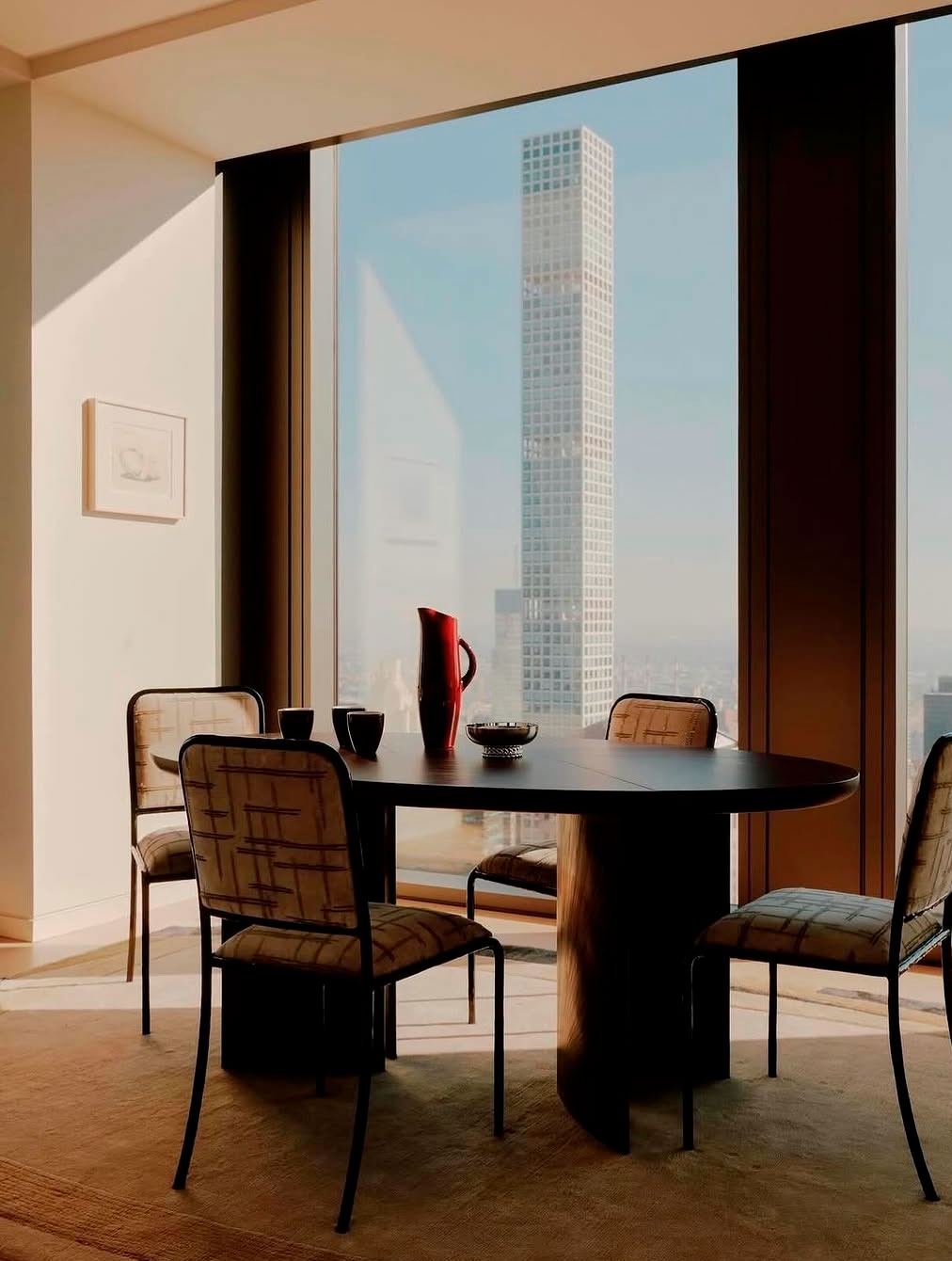
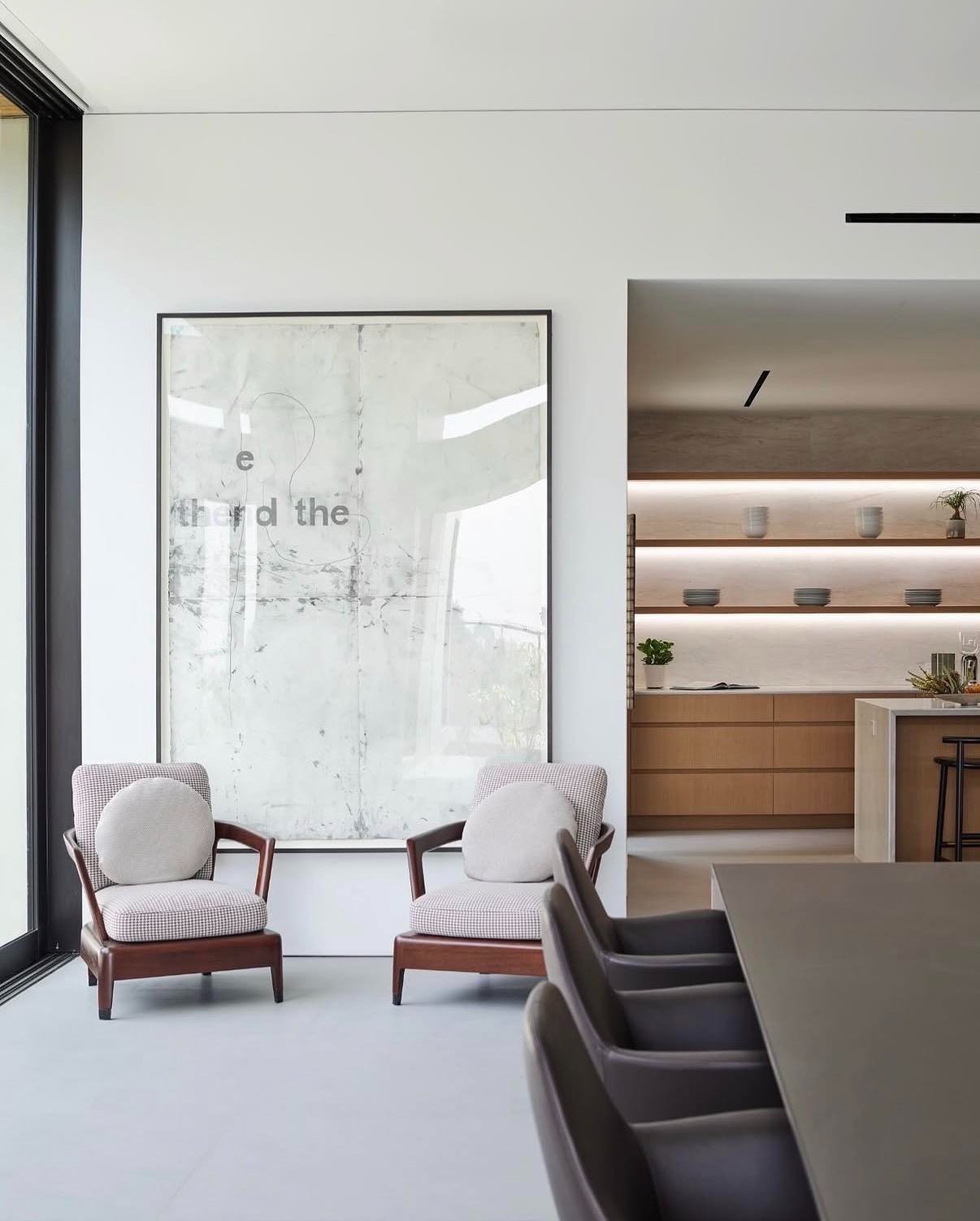
Scale is the first essential considerations when selecting artwork for the dining room. Large architectural walls call for pieces that maximize their contribution within the space and aid to the balance of a room. Alternatively, a smaller piece allows the artwork to fit within the larger design vision rather than compete with it. The right scale considers not only the wall, but the proportions, furniture, and overall rhythm of the room, creating a space that feels cohesive and thoughtful.


Left: Alexander Design Build, Artist: Lawrence Calver
Right: Humbert & Poyet, Artist: Kevin McNamee-Tweed
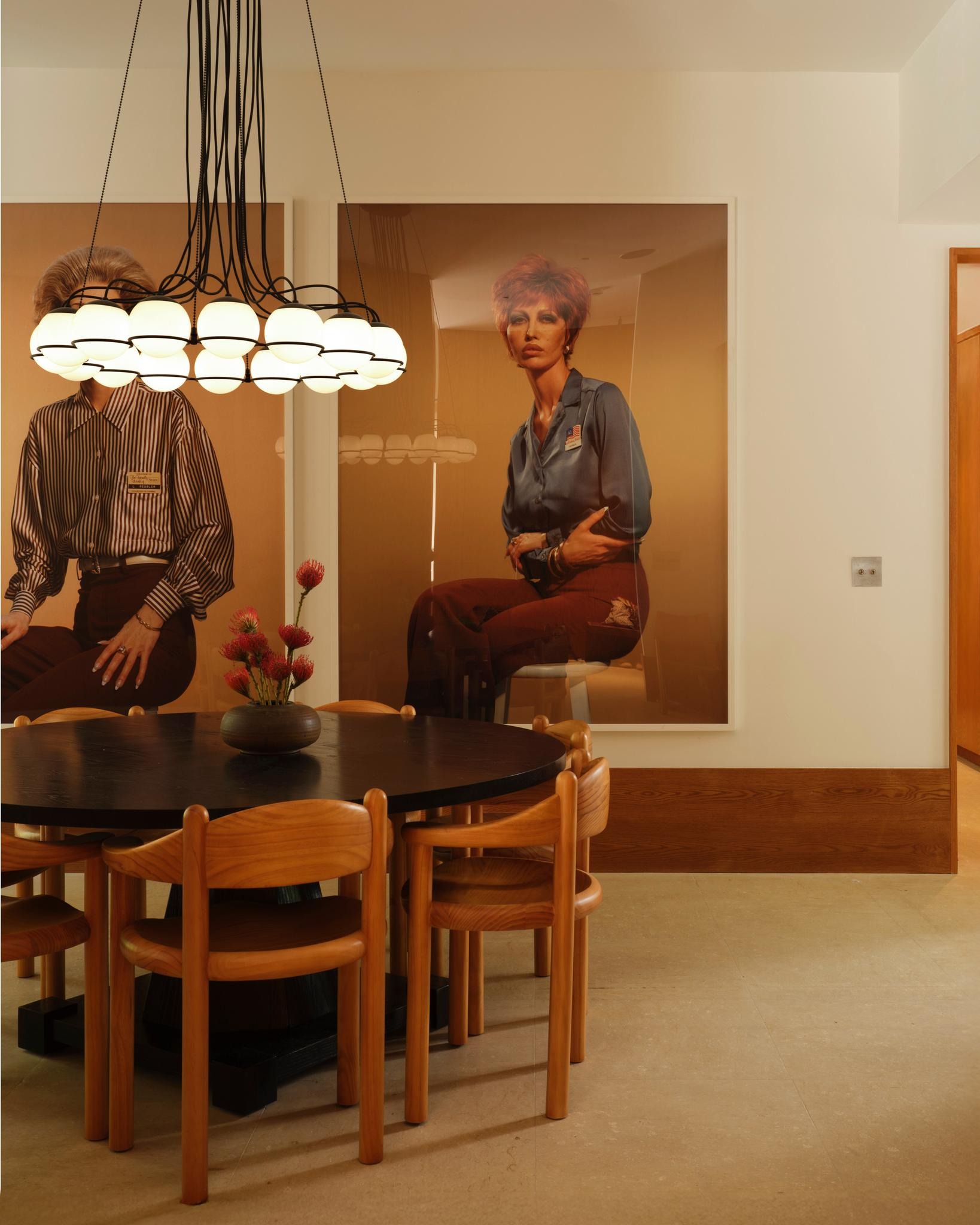
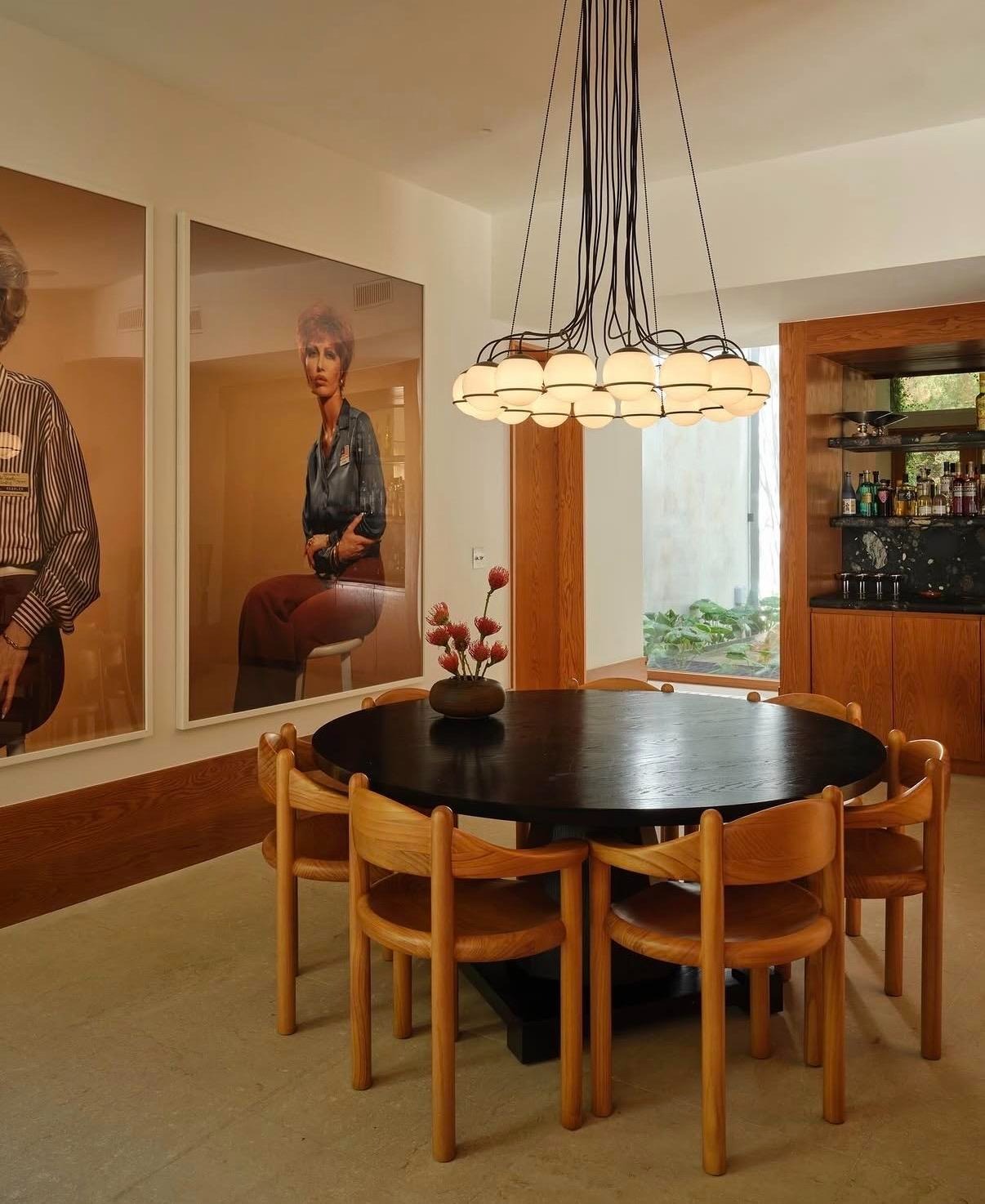
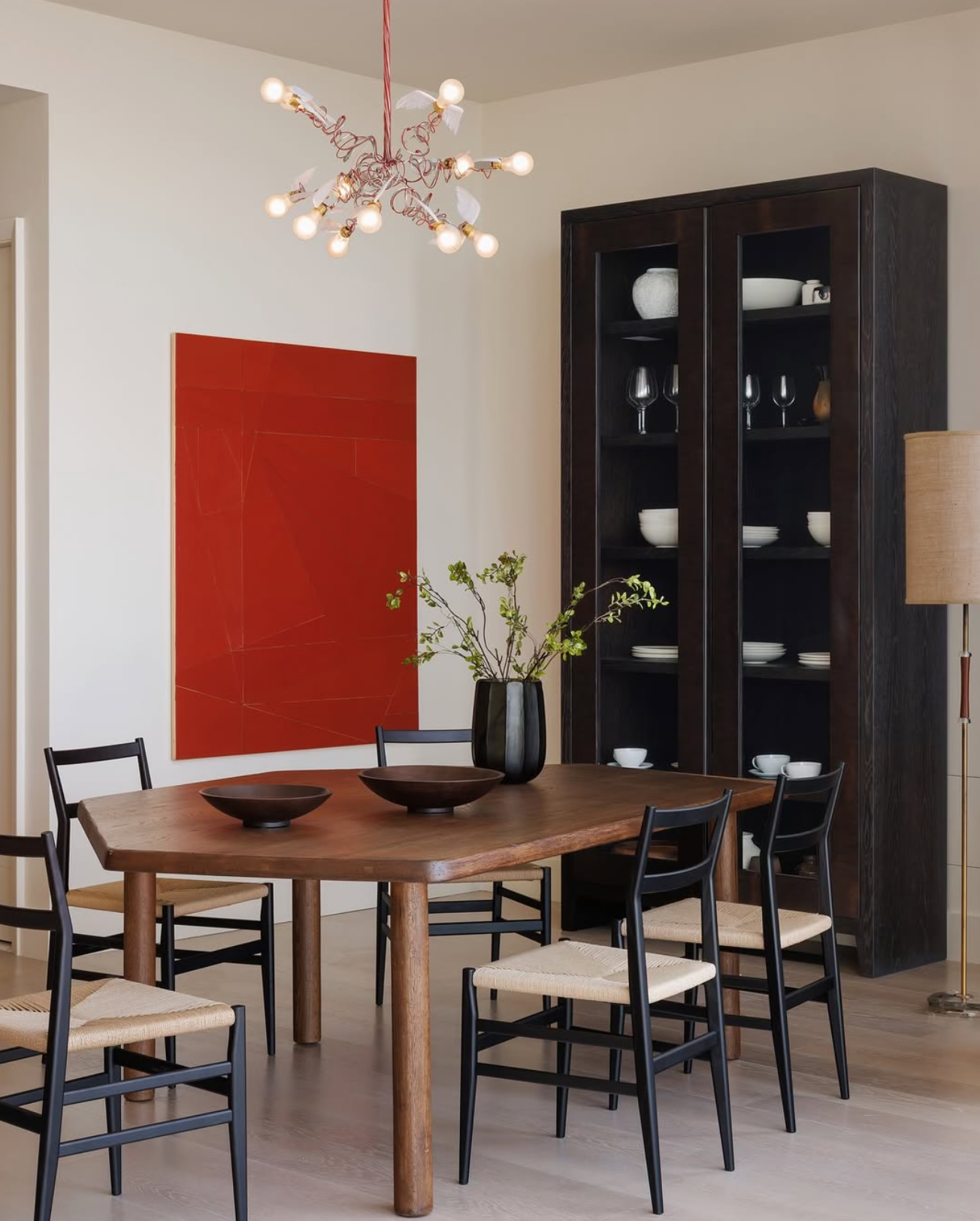
The dining room is a great opportunity to experiment with unique art choices to display personality or taste. Whether introduced through a dynamic scene or an unexpected hue, adding a bold touch can create a lively dining environment which feels authentic to the host without overwhelming the architecture or furnishings.


Left: Ome Dezin, Artist: Nadia Lee Cohen
Right: Sebastian Zuchowicki, Artist: Florian Schmidt
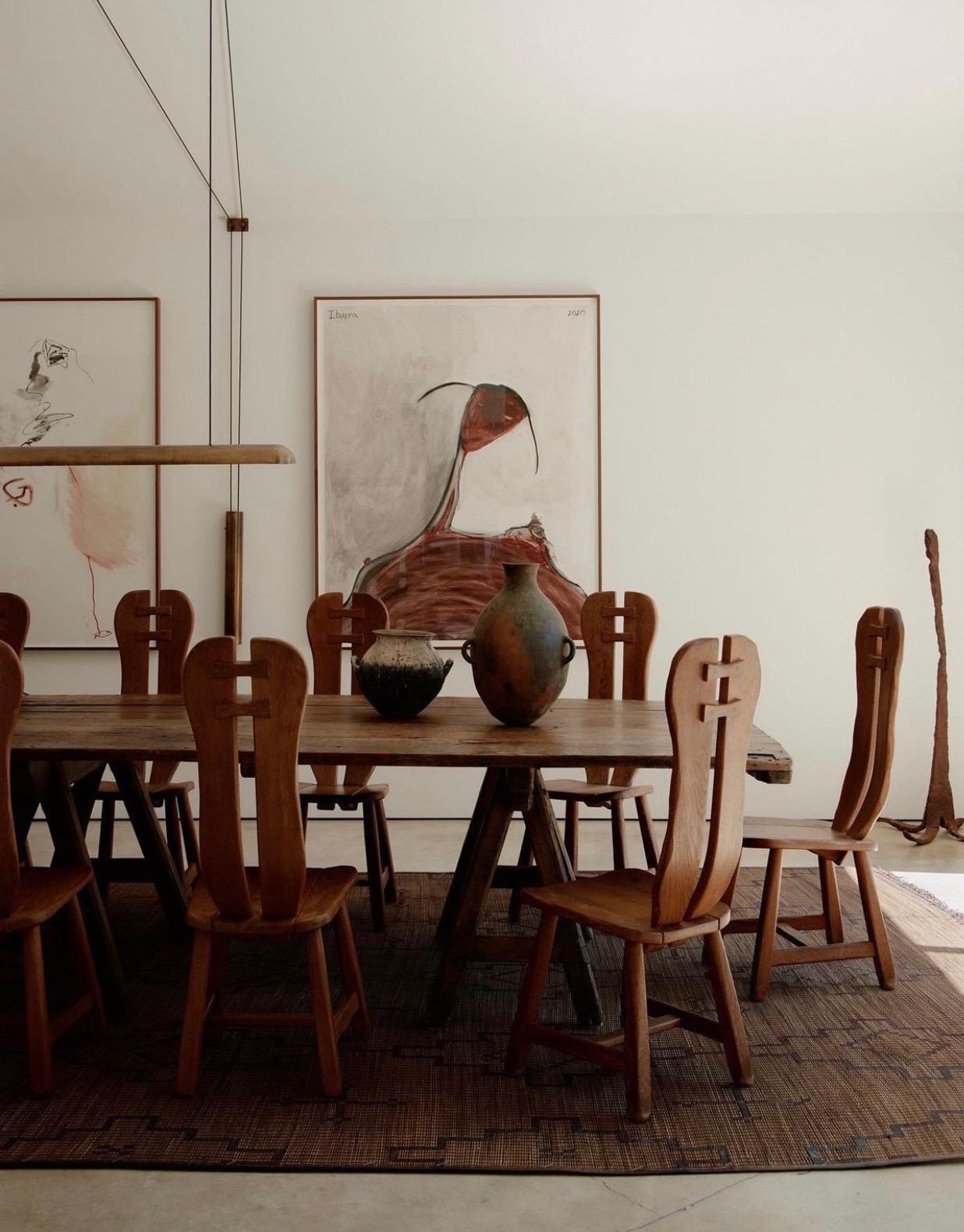
A cohesive palette spanning the architectural design, furniture, and artwork creates a sense of intentionality within the dining room. Highlighting textures or pulling color from the furnishings can subtly tie the room together and lend to a refined aesthetic. These considered relationships allow the artwork to complement every design element completely, making the space feel layered, unified, and intentional.


Left: Mass Beverly, Artist: Tony Lewis
Right: LP Creative, Artist: Elizabeth Ibarra
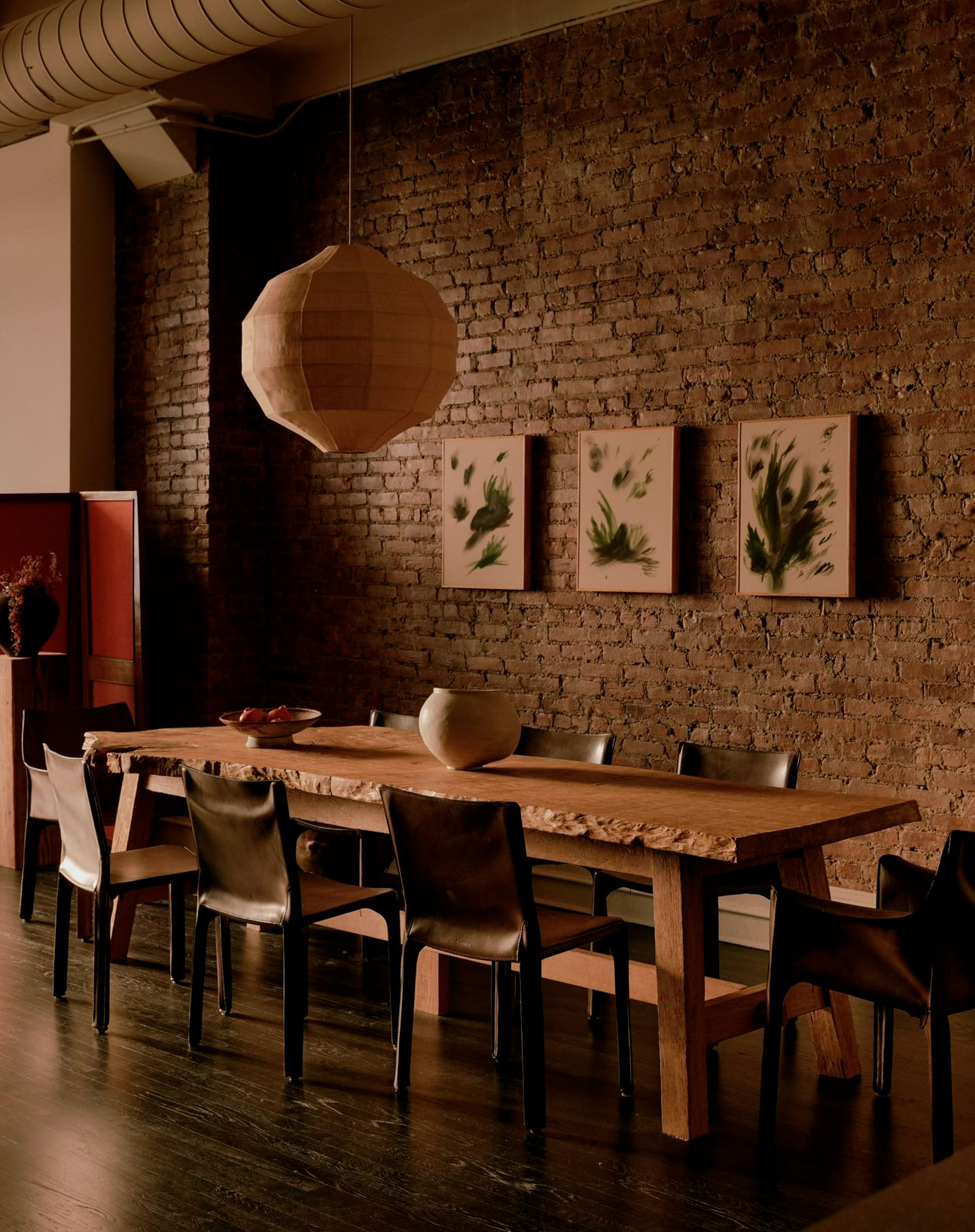
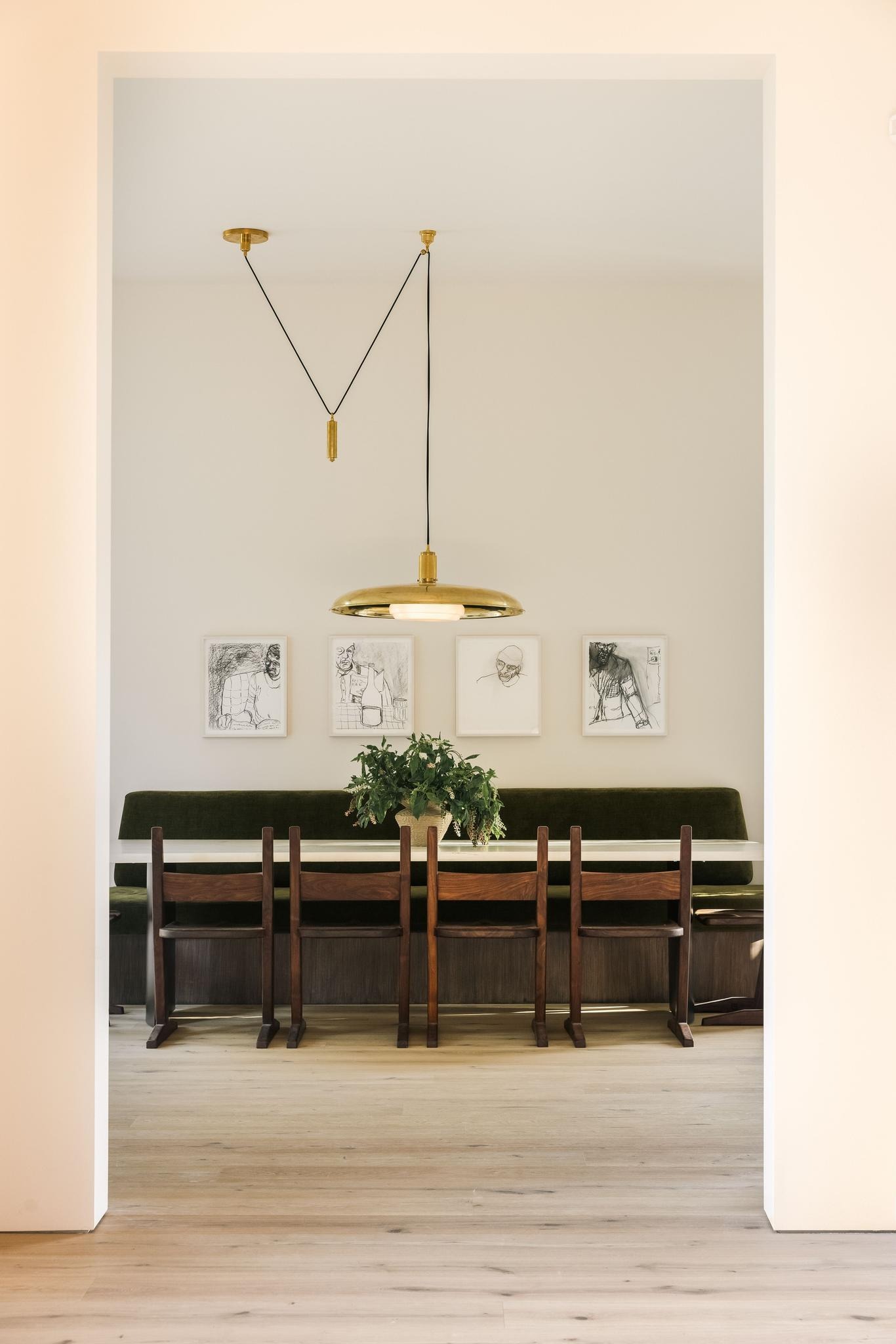
A series of artworks connected by shared colors, styles, or themes is an effective way to anchor a table and make the dining room feel more dynamic and balanced. A series of smaller works can add a sense of movement to a space as people walk by, or, in a more open floor plan, can help create cohesion between two living spaces. A series is also a great way to work with shorter ceilings or a bold hanging light fixture.


Left: LP Creative, Artwork: Sydney Cortright
Right: Studio Rob Diaz, Artwork: Gretchen Andre